EMV Chip Cards: Why You Still Need to Upgrade in 2026

EMV Chip Cards: Why You Still Need to Upgrade in 2026
The EMV liability shift happened in October 2015. That was over 10 years ago. And yet, according to the Payments Security Task Force, roughly 20% of small businesses in the US still have not upgraded to EMV-capable terminals.
If your business still relies on magnetic stripe swipe transactions, you are exposed to fraud liability, losing customer trust, and paying higher processing costs. Here is why 2026 is the year you cannot afford to wait any longer.
What Is EMV and Why Does It Matter?
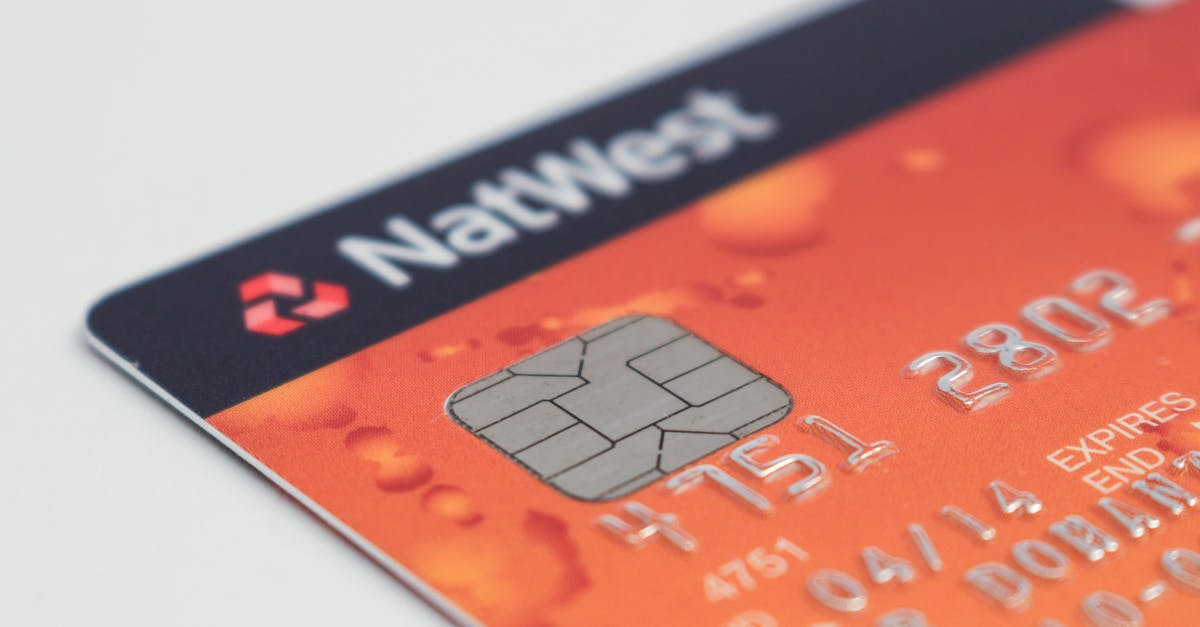
EMV stands for Europay, Mastercard, and Visa, the three companies that originally developed the chip card standard. Instead of a magnetic stripe that stores static card data (easily cloned), EMV chips generate a unique, encrypted code for every transaction.
Magnetic stripe: Same data every swipe. Skimmers can copy it and make counterfeit cards.
EMV chip: Unique code per transaction. Even if intercepted, the data is useless for another transaction.
The result: EMV chip transactions have reduced counterfeit fraud by 87% at chip-enabled merchants, according to Visa.
The Liability Shift: Who Pays for Fraud?
Before October 2015, if a fraudulent transaction occurred, the card-issuing bank typically absorbed the loss. After the liability shift, the party with the least secure technology bears the cost.
What this means in practice:
- If a customer uses a chip card and you have a chip terminal: the bank is liable
- If a customer uses a chip card and you only have a swipe terminal: you are liable
- If a customer uses a swipe-only card on your chip terminal: the bank is liable
So if someone uses a counterfeit or stolen chip card at your swipe-only terminal, you eat the loss. Not Visa. Not the bank. You.
"Had a $2,800 chargeback from a fraudulent transaction. Customer used a chip card but my old terminal only did swipe. Bank said the liability was on me because I did not have an EMV terminal. That one chargeback cost more than a new terminal would have." - u/ShopOwner_FL on r/smallbusiness
The Numbers: How Much Fraud Liability Are You Carrying?
According to the Federal Reserve, card-present counterfeit fraud in the US was $2.1 billion in 2024. Merchants without EMV terminals absorbed a disproportionate share of that.
For a small business processing $20,000/month:
- Average fraud incident: $300-$1,500
- Average number of fraud incidents per year (non-EMV merchant): 2-5
- Potential annual fraud liability: $600-$7,500
- Cost of an EMV terminal: $0 with the right processor (or $200-$500 purchased outright)
The math is clear. The risk of not upgrading far exceeds the cost of upgrading.
Contactless: The Next Step Beyond Chip
EMV chip transactions require inserting the card and waiting 3-5 seconds. Contactless (NFC) transactions work by tapping the card or phone and complete in under 2 seconds.
Contactless adoption has exploded:
- Over 60% of in-person transactions in the US now use tap-to-pay
- Apple Pay, Google Pay, and Samsung Pay all use NFC
- Many new credit and debit cards have contactless built in
- Customers increasingly expect tap capability
If your terminal does not support contactless, you are:
1. Slowing down your checkout line
2. Frustrating customers who expect to tap
3. Missing out on digital wallet transactions
4. Looking outdated compared to competitors
"We finally upgraded from our old Verifone swipe terminal to a new NFC-capable one. Checkout speed improved noticeably. Customers actually commented on how much faster it was. Should have done it years ago." - r/retailpros
Why Some Businesses Have Not Upgraded
If the benefits are so clear, why are 20% of businesses still on swipe-only? Common reasons:
"My terminal still works"
Yes, it processes transactions. But it is like driving without insurance. It works until it does not, and then you are paying out of pocket.
"Upgrading is expensive"
It does not have to be. Many payment processors, including Sleft Payments, provide free EMV and contactless terminals with your merchant account. You own the terminal. No lease. No extra fees.
"My customers do not use chip cards"
Nearly 100% of US credit and debit cards now have EMV chips. Even if some customers still swipe, the cards have chips. Your terminal needs to read them.
"I do not understand the technology"
You do not need to. Modern terminals handle everything automatically. The customer inserts or taps their card, the terminal communicates with the chip, and the transaction processes. There is nothing additional you need to do.
"I am locked into a contract with my current processor"
Even if you have a contract, the cost of upgrading your terminal is separate from your processing agreement. Many processors will provide a free terminal even if you are mid-contract. And if your current processor will not help you upgrade, that is a sign you should be looking at switching.
What You Need to Upgrade
Hardware
You need a terminal that supports:
- EMV chip (insert)
- Contactless/NFC (tap)
- Magnetic stripe (swipe, as backup)
Popular modern terminals:
- PAX A920/A920 Pro - Android-based, touchscreen, portable
- Dejavoo QD series - Compact, reliable, great for countertop use
- Clover Flex/Mini - Sleek design, feature-rich (but check processing rates)
- Verifone T650 - Traditional countertop with modern capabilities
Processing Account
If your current processor does not support EMV or will not provide updated hardware, consider switching. A modern merchant account should include:
- EMV and contactless terminal (free)
- Interchange-plus pricing
- No long-term contract
- PCI compliance support
💰 Want to see how much you're overpaying? Use our free savings calculator to find out in 30 seconds. Or get a free statement analysis from our team.
The Upgrade Process
Upgrading is simpler than most people expect:
1. Contact your processor (or a new one) about getting an EMV terminal
2. Receive the terminal (ships in 1-3 business days typically)
3. Plug it in and connect (Ethernet, Wi-Fi, or cellular)
4. Run a test transaction
5. Start processing
Total setup time: usually under 30 minutes. No technician required for most terminals.
EMV Compliance and PCI
EMV and PCI compliance are related but different:
- EMV is about the terminal hardware and card authentication method
- PCI DSS is about how you store, process, and transmit card data
You need both. An EMV terminal that is not PCI-compliant still puts you at risk. Most modern terminals from reputable manufacturers are PCI-compliant out of the box, but you still need to complete your annual PCI Self-Assessment Questionnaire (SAQ).
What About Online Payments?
EMV is for card-present (in-person) transactions. For online payments, the equivalent security measure is 3D Secure (3DS), which adds an authentication step during online checkout.
If you accept both in-person and online payments, you need:
- EMV terminal for in-person
- Payment gateway with 3DS for online
- Both should be on the same merchant account for simplified reporting
At Sleft Payments, we provide both in-person terminals and online gateway solutions under one account.
The Cost of Doing Nothing
Let us add up the real cost of not upgrading:
| Risk | Potential Annual Cost |
|---|---|
| Fraud liability (chargebacks) | $600-$7,500 |
| Higher processing rates (non-EMV surcharges) | $200-$600 |
| Lost customers (no contactless) | $1,000-$5,000+ |
| Reputation damage | Incalculable |
| Total potential cost | $1,800-$13,100+ |
Compared to the cost of upgrading:
- Free terminal from processor: $0
- Time to set up: 30 minutes
- Learning curve: Minimal
💰 Want to see how much you're overpaying? Use our free savings calculator to find out in 30 seconds. Or get a free statement analysis from our team.
Ready to stop overpaying? Sleft Payments offers transparent pricing with no contracts and no hidden fees. Get a free quote or call us at (813) 534-0522.
Frequently Asked Questions
Do I need to upgrade if I only take a few card payments per day?
Yes. The liability shift applies regardless of volume. One fraudulent transaction on a swipe-only terminal could cost you hundreds or thousands.
Will an EMV terminal slow down my checkout?
Chip insert transactions take 3-5 seconds. Contactless tap transactions take under 2 seconds. Swipe took 2-3 seconds. The difference is minimal, and contactless is actually faster.
Can I still accept swipe transactions on an EMV terminal?
Yes. Modern terminals support all three methods: chip insert, contactless tap, and magnetic stripe swipe. The terminal will always try the most secure method available.
What if my POS system is not EMV-compatible?
Most modern POS systems support EMV. If yours does not, you may need a software update or a new POS integration. Your payment processor can help determine compatibility.
How do I get a free EMV terminal?
Many merchant account providers offer free terminals as part of your processing agreement. At Sleft Payments, we provide free EMV and contactless terminals that you own (no lease).
Is EMV required by law?
EMV is not legally mandated, but the liability shift creates a strong financial incentive. The card networks (Visa, Mastercard) enforce the liability shift, which functions similarly to a mandate.
The Bottom Line
If you have not upgraded to an EMV chip and contactless terminal yet, 2026 is the year to do it. The fraud liability is real, customer expectations have shifted, and the cost of upgrading is effectively zero with the right processor.
Do not wait for a chargeback to force the issue. Upgrade proactively and protect your business.
Ready to upgrade? Contact Sleft Payments for a free EMV and contactless terminal with your merchant account. No lease, no contract, you own the hardware.
Related Articles
- Best Payment Processing Small Business
- Cash Discount Program Explained Save On Processing Fees
- How To Read Your Merchant Statement
Want to know exactly how much you could save? Try the Sleft Payments Savings Calculator for a personalized estimate.