Contactless Payment Trends in 2026: What Small Businesses Need to Know

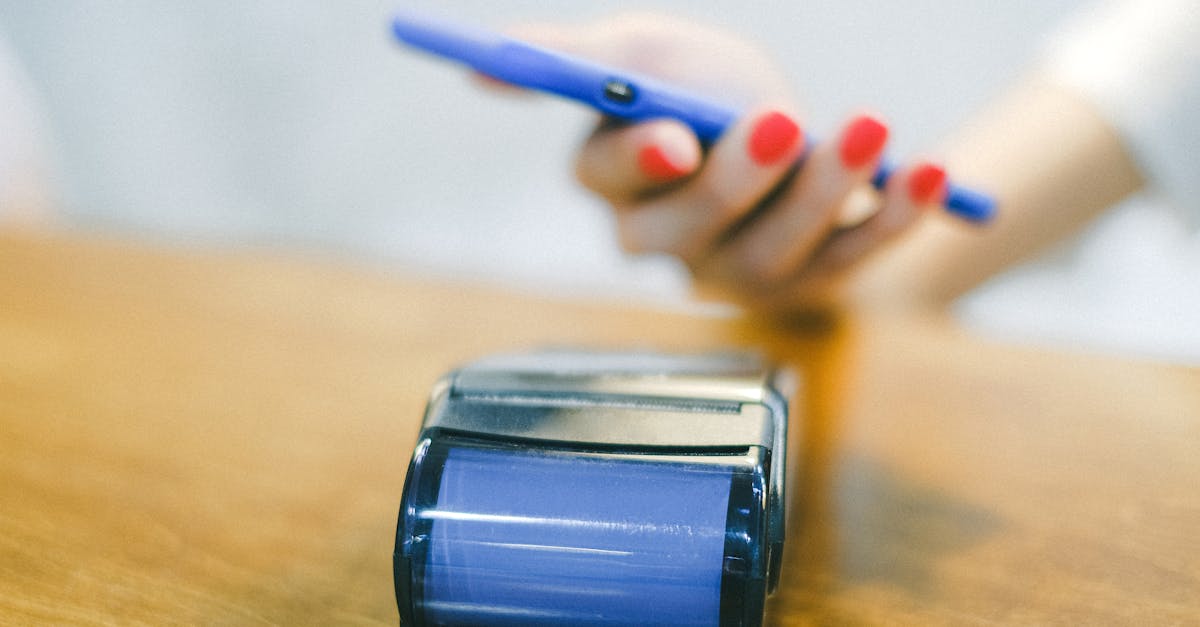
Contactless Payment Trends in 2026: What Small Businesses Need to Know
Contactless payments have officially crossed the tipping point. What started as a pandemic-era hygiene measure has become the default way Americans pay. In 2026, over 65% of in-person card transactions in the United States use contactless technology, whether through tap-to-pay cards, Apple Pay, Google Pay, or other digital wallets.
For small business owners, this shift is not just a trend to watch. It directly affects your payment processing setup, customer experience, and bottom line. If your business is not set up to accept contactless payments seamlessly, you are falling behind.
The State of Contactless Payments in 2026
The numbers tell a clear story:
- 65%+ of in-person transactions in the U.S. are now contactless
- Over 85% of credit and debit cards issued in the U.S. have contactless capability
- Digital wallet usage (Apple Pay, Google Pay, Samsung Pay) has grown 40% since 2023
- Transaction speed averages 2 to 3 seconds for contactless vs. 8 to 12 seconds for chip insert
The Federal Reserve's latest payments study confirms that contactless and digital payment adoption continues to accelerate across all demographics and business types.
What is driving this growth?
Speed. Contactless transactions are dramatically faster than chip-insert transactions. In high-volume environments like coffee shops, fast food, and grocery stores, this speed difference translates directly to shorter lines and higher throughput.
Convenience. Customers increasingly leave their wallets at home and pay with their phones. Digital wallets store all their cards, loyalty programs, and even transit passes in one place.
Security. Contactless transactions use dynamic tokenization, meaning a unique code is generated for each transaction. The actual card number is never transmitted, making contactless payments more secure than magnetic stripe transactions.
Consumer expectation. Customers, especially those under 40, now expect contactless acceptance as standard. Not offering it creates friction and can send customers to competitors who do.
How Contactless Payments Work
Understanding the technology helps you make better decisions about your payment setup.
NFC (Near Field Communication)
NFC is the technology that powers most contactless payments. It allows two devices to communicate when they are within a few centimeters of each other.
When a customer taps their card or phone on your terminal:
1. The terminal emits a radio signal
2. The card or phone's NFC chip responds
3. The card/phone generates a unique, one-time token
4. The token is sent to the terminal, encrypted
5. The terminal sends the token to the processor for authorization
6. Authorization is returned in 2 to 3 seconds
The actual card number is never transmitted or stored, which is why contactless is more secure than swipe or even chip-insert transactions.
Types of Contactless Payments
Contactless cards: Physical cards with an embedded NFC chip, indicated by the contactless symbol (four curved lines). The customer simply taps their card on the terminal.
Mobile wallets (Apple Pay, Google Pay, Samsung Pay): The customer holds their phone near the terminal. Authentication happens via Face ID, fingerprint, or device passcode.
Wearables: Smartwatches (Apple Watch, Fitbit, Garmin) can make contactless payments. This is growing, particularly among younger consumers.
Tap-to-pay on phone (merchant-side): As discussed in our mobile payment processing guide, merchants can now accept contactless payments directly on their smartphones without any additional hardware.
What Contactless Means for Your Business
Terminal Requirements
To accept contactless payments, your payment terminal must have an NFC reader. Most terminals manufactured after 2019 include NFC capability. If your terminal does not support contactless, it is time to upgrade.
Signs your terminal needs an upgrade:
- No contactless symbol on the terminal
- Customers try to tap but nothing happens
- Your terminal only accepts swipe and chip insert
- The terminal uses outdated encryption standards
Processing Fees
Here is good news: contactless transactions are processed at the same interchange rates as chip-insert transactions. There is no additional fee for contactless acceptance.
In fact, contactless can save you money in indirect ways:
- Faster transactions mean more throughput during peak hours
- Fewer manual keyed-in transactions (which carry higher rates)
- Reduced wear and tear on chip readers (no physical card insertion)
Customer Experience
Implementing contactless payments improves the customer experience in measurable ways:
- Speed: 2-3 second transaction time vs. 8-12 seconds for chip
- Hygiene: No physical contact with the terminal
- Convenience: Customers do not need to insert a card or enter a PIN (for transactions under the contactless limit)
- Modern perception: Contactless acceptance signals that your business is up to date and customer-focused
Contactless Limits
In the U.S., contactless transactions typically do not require a PIN for amounts under $200 to $250 (varies by card issuer). For higher amounts, the terminal may prompt for a PIN or signature. Some digital wallet transactions authenticated by biometrics (Face ID, fingerprint) may not have a transaction limit.
Industry-Specific Contactless Trends
Restaurants and Food Service
Table-side contactless payment is becoming standard. Servers bring a handheld terminal to the table, and customers tap to pay without their card ever leaving their sight. This:
- Reduces fraud risk (card never leaves customer's possession)
- Speeds up table turnover
- Improves customer trust
QR code ordering and payment is also growing, where customers scan a code at their table to view the menu, order, and pay from their phone.
Retail
Self-checkout with contactless is expanding beyond grocery stores into all types of retail. Contactless combined with self-service reduces staffing needs and speeds up the checkout experience.
Transit and Parking
Cities across the U.S. are adopting open-loop contactless payments for public transit, allowing riders to tap their credit card or phone instead of buying a transit card. This same technology is appearing in parking meters and garages.
Healthcare
Medical offices and hospitals are implementing contactless payment for copays and balances. This reduces waiting room time and minimizes physical contact in healthcare settings.
Events and Venues
Stadiums, concert venues, and festivals have largely gone cashless and contactless. Wristband payments, phone-based ordering, and contactless terminals at concession stands are now standard.
Emerging Contactless Technologies
Biometric Payments
Several major retailers are testing palm-scan payment systems where customers register their palm print linked to their card. They can then pay by hovering their hand over a scanner. No card, phone, or wallet needed.
While still limited in deployment, this technology represents the next evolution of contactless payments.
Tap on Phone for Merchants
As we covered in our mobile payments guide, merchants can now accept tap-to-pay directly on their iPhone or Android device. This democratizes contactless acceptance for businesses of all sizes, including sole proprietors and mobile vendors.
IoT Payments
Internet of Things devices are beginning to process payments autonomously. Smart refrigerators that reorder groceries, connected cars that pay for fuel and parking, and smart appliances that order replacement parts are all in various stages of deployment.
Central Bank Digital Currencies (CBDCs)
While not yet launched in the U.S., the Federal Reserve is actively researching a digital dollar. If implemented, CBDCs could be transferred via contactless technology and would represent a fundamental shift in how payments work.
The Federal Reserve continues to study the potential impacts and design considerations for a U.S. CBDC.
💰 Want to see how much you're overpaying? Use our free savings calculator to find out in 30 seconds. Or get a free statement analysis from our team.
Implementing Contactless at Your Business
If you are not yet set up for contactless, here is how to get started:
Step 1: Check Your Current Equipment
Look at your payment terminal for the contactless symbol (four curved lines). Try tapping a contactless card. If it works, you are already set up. If not, your terminal needs to be upgraded or the feature needs to be enabled.
Step 2: Contact Your Processor
Some terminals have NFC capability that is simply not enabled. Your processor can often enable contactless remotely with a terminal update. If your terminal does not have NFC hardware, you will need a new terminal.
Step 3: Upgrade If Necessary
Modern NFC-enabled terminals cost $200 to $500. This is a one-time investment that will serve your business for years. Never lease a terminal. For more on this, see our guide on hidden processing fees.
Step 4: Train Your Staff
Make sure your staff knows how to guide customers through contactless transactions. Simple signage at the checkout ("We Accept Tap to Pay") also encourages adoption.
Step 5: Display Contactless Acceptance
Add the contactless payment symbol to your front door, checkout counter, and website. Many customers will not try to tap if they do not see signage indicating it is accepted.
The Cost of Not Going Contactless
Businesses that do not accept contactless payments face real consequences:
- Lost sales: Customers without cash or physical cards cannot pay
- Slower checkout: Longer transaction times during peak hours
- Negative perception: Your business appears outdated
- Competitive disadvantage: Neighboring businesses that accept contactless attract your customers
- Higher processing costs: More keyed-in transactions (when contactless-only customers give their number verbally) at higher interchange rates
The Visa contactless payments guide provides additional resources for merchants implementing contactless acceptance.
Future-Proof Your Payment Acceptance
Contactless payments are not a fad. They are the present and future of in-person transactions. Making sure your business is equipped to accept contactless payments is one of the simplest, highest-return investments you can make.
Contact us today to upgrade your payment setup and ensure you are ready for how customers want to pay in 2026 and beyond.
💰 Want to see how much you're overpaying? Use our free savings calculator to find out in 30 seconds. Or get a free statement analysis from our team.
Ready to stop overpaying? Sleft Payments offers transparent pricing with no contracts and no hidden fees. Get a free quote or call us at (813) 534-0522.
Frequently Asked Questions
Are contactless payments more expensive to process?
No. Contactless transactions are processed at the same interchange rates as chip-insert (EMV) transactions. There is no additional fee for accepting contactless payments. In fact, contactless can indirectly reduce costs by reducing keyed-in transactions that carry higher rates.
Are contactless payments secure?
Yes. Contactless payments are more secure than magnetic stripe transactions because they use dynamic tokenization, generating a unique code for each transaction. The actual card number is never transmitted or stored. Digital wallet transactions add an additional layer of security through biometric authentication (Face ID, fingerprint).
Do I need a new terminal to accept contactless payments?
Not necessarily. Many terminals manufactured after 2019 already have NFC capability that may just need to be enabled. Contact your processor to check. If your terminal is older, you will need to upgrade, but modern NFC terminals are affordable at $200 to $500.
What percentage of customers use contactless payments?
As of 2026, over 65% of in-person card transactions in the U.S. use contactless technology, including tap-to-pay cards and digital wallets. This percentage is higher among consumers under 40 and in urban areas.
Can I accept Apple Pay and Google Pay with a contactless terminal?
Yes. Any terminal that accepts NFC contactless cards also accepts Apple Pay, Google Pay, Samsung Pay, and other NFC-based digital wallets. No additional setup is required beyond enabling contactless acceptance on your terminal.
Did you know? Sleft Payments offers cash discount programs where your business pays zero processing fees. We also offer dual pricing, surcharging, interchange-plus, and flat-rate options with free terminal equipment and no long-term contracts. Learn more.
Related Articles
Want to know exactly how much you could save? Try the Sleft Payments Savings Calculator for a personalized estimate.