Stripe Account Terminated? Here's Your Complete Recovery Playbook (2026)

Stripe Account Terminated? Complete Recovery Playbook (2026)
ACCOUNT TERMINATED?
>
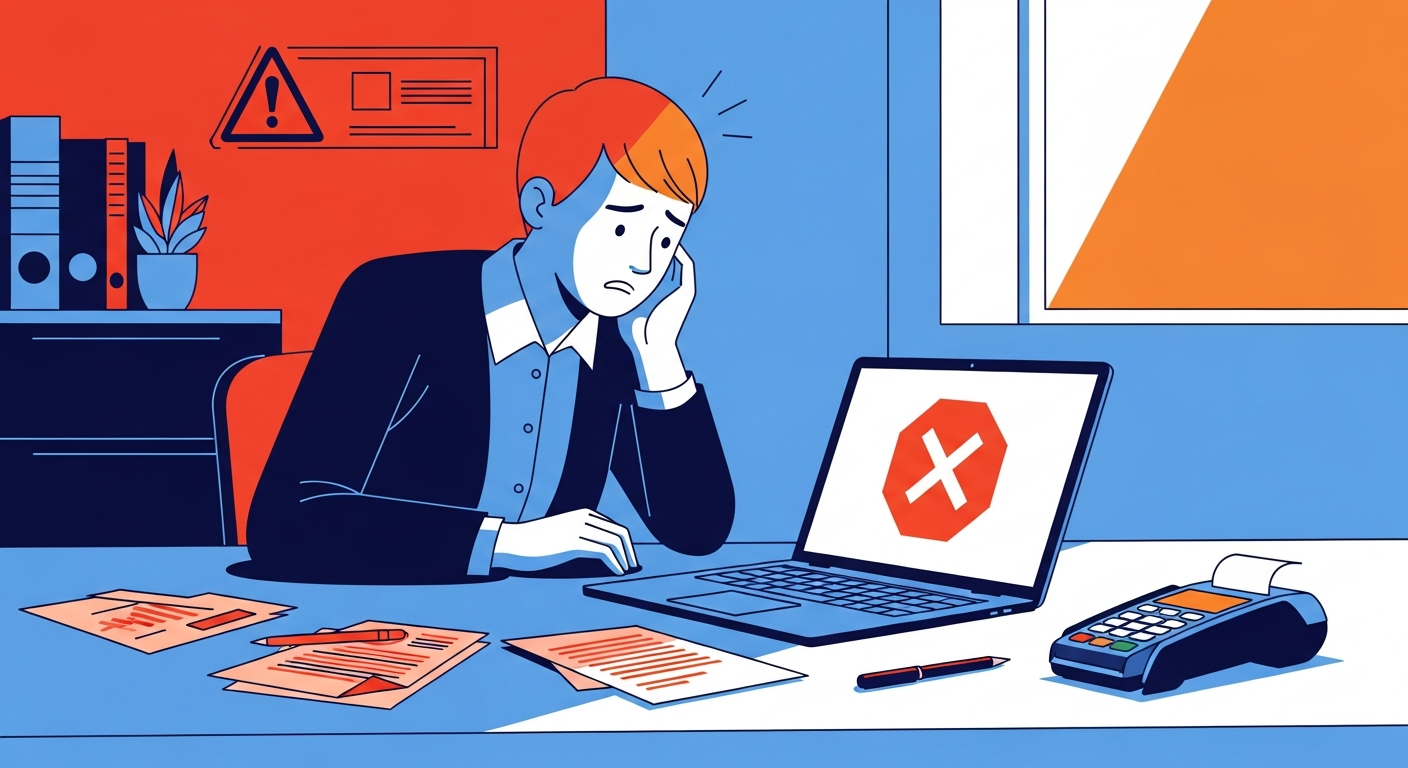
If you just got that gut-wrenching email saying Stripe has terminated your account, I know exactly how you're feeling. The panic. The confusion. The anger. I've helped dozens of merchants navigate this exact situation. Take a breath. You have options. This guide will walk you through everything.
Related: If your funds are frozen but your account isn't terminated yet, check out our guide on how to get frozen Stripe funds released first.
A Stripe account termination is different from a simple fund freeze. When Stripe terminates your account, they're saying they no longer want your business on their platform, period. But that doesn't mean your business is over. Far from it.
Understanding Why Stripe Terminates Accounts
Let's be real about what's happening here. Stripe uses automated risk systems that flag accounts based on patterns, not people. Their algorithm doesn't know you're running a legitimate business. It only sees data points.
The MATCH List: What You Need to Know
When Stripe terminates your account, there's a chance they've added you to something called the MATCH list (Member Alert to Control High-Risk Merchants). This is essentially a shared database that payment processors use to screen applicants. Being on this list doesn't mean you can never process payments again, but it does make things harder with traditional processors.
Here's the truth most people won't tell you: being added to MATCH for reasons like "excessive chargebacks" is very different from being added for actual fraud. Legitimate businesses end up on this list all the time for reasons that have nothing to do with misconduct.
Common Reasons for Stripe Terminations
Based on the merchants I've worked with, here are the most common termination triggers:
1. Business Category Mismatch
Stripe has a list of prohibited and restricted businesses. Sometimes merchants sign up and describe their business one way, but the actual transactions look different. Even small discrepancies can trigger a termination. AI and tech companies are increasingly getting flagged because Stripe's systems don't always understand newer business models.
2. Chargeback Velocity
If your chargeback rate creeps above 1%, you're in the danger zone. Above 2%? Termination is almost certain. The brutal part? Stripe often terminates first and asks questions never.
3. Transaction Pattern Anomalies
A sudden spike in volume, unusually high average ticket sizes, or lots of transactions from high-risk countries can all trigger automatic termination. I've seen merchants terminated after their first successful marketing campaign because the sales spike looked "suspicious" to the algorithm.
4. Guilt by Association
This one really hurts. If you share an IP address, physical address, or business principal with a previously terminated account, Stripe may terminate yours automatically. Working from a co-working space? Using a shared business address service? This could affect you.
5. Industry Classification
Some industries are on Stripe's restricted list, and they don't always make this clear upfront. Nutraceuticals, certain subscription models, firearms accessories, CBD products (even legal ones), and many others face an uphill battle.
Immediate Steps After Termination
Step 1: Document Everything
Before you do anything else, take screenshots of your entire Stripe dashboard. Download every report, every transaction record, every piece of documentation. Once your account is fully closed, access becomes limited or impossible.
Export these immediately:
- All transaction history
- Payout records
- Customer data (you'll need this to migrate)
- Balance reports
- Any dispute documentation
Step 2: Read the Termination Email Carefully
Stripe's termination emails are frustratingly vague, but they do contain important information:
- The reason code (even if generic)
- The timeline for fund holds
- Any balance remaining in your account
- Contact information for further questions
Step 3: Understand Your Funds Situation
Here's where it gets painful. Stripe typically holds terminated account funds for 90 to 120 days to cover potential chargebacks. This is standard industry practice, not unique to Stripe. The funds are technically still yours, they're just being held as security.
During this period:
- You cannot process new transactions
- Existing funds will be held until the reserve period ends
- Any chargebacks during this time will be deducted from your balance
- After the reserve period, remaining funds should be transferred to your bank
Step 4: Respond to Stripe (Strategically)
You can and should respond to the termination, but be strategic about it. Here's a template that has worked for merchants I've helped:
Subject: Appeal - Account [Your Account Number] - Request for Detailed Review
>
Dear Stripe Risk Team,
>
I received notification that my account has been terminated. I'm requesting a detailed review of this decision.
>
My business is [brief description]. I have been operating for [time period] and have processed [volume] through Stripe.
>
I am attaching documentation including:
- Business registration documents
- Clear description of my business model
- Evidence of legitimate operations
- Customer testimonials (if applicable)
>
I would appreciate understanding the specific concerns so I can address them directly.
>
Sincerely,
[Your Name]
Be professional. Don't be emotional or threatening. But also be realistic: the success rate for reinstatement appeals is low. You need a backup plan.
The Hard Truth About Reinstatement
I'll be honest with you. Getting a terminated Stripe account reinstated is difficult. Not impossible, but difficult. In my experience, successful appeals typically involve:
- Clear documentation that the termination was based on incorrect information
- Evidence that the flagged behavior was a one-time anomaly
- Significant volume or partnership leverage
- Legal action (which is expensive and time-consuming)
For most small businesses, the better path forward is to find a processor that actually fits your business model, rather than fighting to return to one that doesn't want you.
Finding a New Payment Processor
This is where I can genuinely help. After a Stripe termination, you have several paths forward:
Option 1: Traditional Merchant Account
Unlike Stripe (a payment facilitator/aggregator), a traditional merchant account involves more underwriting upfront. This might sound like a negative, but it's actually a positive. When a processor takes the time to understand your business before approving you, they're less likely to suddenly terminate you later.
Benefits of traditional merchant accounts:
- More stable long-term relationship
- Better rates for established businesses
- No surprise terminations from algorithmic risk systems
- Direct relationship with the processor
Option 2: High-Risk Merchant Account
If your business is in a restricted category (nutraceuticals, subscription boxes, certain tech services), you may need a high-risk merchant account. These processors specialize in industries that mainstream providers avoid.
Yes, the rates are higher (often 3% to 6% plus fees). But compare that to having no processing at all. And many high-risk processors offer:
- No early termination fees
- Rolling reserve instead of full fund freezes
- Experience with your specific industry
- Actual human support
Option 3: Alternative Payment Methods
Depending on your business, you might diversify with:
- ACH/eCheck processing (lower fees, fewer chargebacks)
- Cryptocurrency payments
- Invoice-based payments for B2B
- Buy Now Pay Later partnerships
Option 4: The Sleft Approach
Here's what we do differently. Instead of throwing you onto a single platform and hoping for the best, we analyze your actual business. Your industry, your transaction patterns, your customer base, your chargeback risk profile. Then we match you with processors from our network who actually specialize in and welcome businesses like yours.
This isn't about finding someone willing to take you despite your termination. It's about finding the right fit from the start.
Protecting Your Cash Flow During Transition
The 90 to 120 day fund hold is brutal for cash flow. Here's how to survive it:
1. Communicate with Vendors
Be proactive. Contact your key suppliers and explain the situation. Many will work with you on extended payment terms if you're upfront about it.
2. Have a New Processor Ready Fast
The faster you can get back to processing, the faster you can stabilize cash flow. Traditional merchant account approval can take 2 to 7 business days if you have your documentation ready.
3. Consider Short-Term Financing
A business line of credit or merchant cash advance can bridge the gap. Just be careful with the terms and understand the true cost.
4. Reduce Discretionary Spending
Obvious but necessary. Tighten the belt until your funds are released and new processing is flowing.
Preventing Future Terminations
Whether you get reinstated or move to a new processor, here's how to protect yourself going forward:
Never Put All Your Eggs in One Basket
This is the biggest lesson from any Stripe termination. Always have a backup processor. Process at least a small percentage of transactions through a secondary account so that if your primary goes down, you can scale up immediately.
Monitor Your Chargebacks Obsessively
Keep your chargeback rate under 0.5% if possible. Under 1% at minimum. Implement:
- Clear billing descriptors
- Easy refund processes
- Proactive customer communication
- Address verification for all transactions
- 3D Secure for high-risk transactions
Document Your Business Model Clearly
Your processor should understand exactly what you sell, how you sell it, and who buys it. Any deviation from what they expect can trigger reviews.
Scale Gradually
Don't go from $5,000/month to $500,000/month overnight. If you're planning a big launch or promotion, communicate with your processor first.
Know Your Industry's Risk Profile
If you're in a category that's commonly restricted, work with a processor who specializes in it from day one. Don't try to slip by on a mainstream aggregator.
MATCH List Removal: Is It Possible?
Yes, but it's complicated. You can be removed from the MATCH list if:
- You were added in error
- The adding member (Stripe) agrees to remove you
- 5 years have passed since being added
In practice, getting Stripe to remove you from MATCH is very difficult unless you can prove clear error on their part. For most merchants, the better approach is to work with processors who perform their own underwriting and don't rely solely on the MATCH list.
💰 Want to see how much you're overpaying? Use our free savings calculator to find out in 30 seconds. Or get a free statement analysis from our team.
Legal Options: Worth Pursuing?
Some terminated merchants consider legal action against Stripe. Here's my honest assessment:
Arbitration (through JAMS): Stripe's terms require disputes to go through arbitration. Some merchants have had success, but the process is expensive (several thousand dollars minimum) and time-consuming (months to over a year).
Class Action Suits: Several have been filed against Stripe over the years. Joining one costs you nothing but may not yield meaningful results for years.
State Attorney General Complaints: Some states have consumer protection divisions that handle business complaints. This is free and occasionally effective.
For most small businesses, the return on investment for legal action doesn't make sense. Your energy is better spent getting a new processor and growing your business.
Moving Forward Stronger
Getting terminated by Stripe feels like the end of the world, but it's not. Some of the most successful merchants I work with today came to me after Stripe or PayPal terminations. They used the experience as a catalyst to build more resilient payment infrastructure.
The key insights:
- Diversify your payment processing
- Work with processors who understand your business
- Monitor your account health proactively
- Build a relationship with actual humans at your processor
Need Help Right Now?
If you're staring at a Stripe termination email and don't know what to do next, call us. We've helped dozens of merchants in your exact situation find stable, long-term processing solutions.
Call Us Now: (813) 534-0522
We're available 24/7 and we'll give you honest advice about your options, whether you end up working with us or not.
💰 Want to see how much you're overpaying? Use our free savings calculator to find out in 30 seconds. Or get a free statement analysis from our team.
Ready to stop overpaying? Sleft Payments offers transparent pricing with no contracts and no hidden fees. Get a free quote or call us at (813) 534-0522.
Frequently Asked Questions (FAQ)
Q: Can I open a new Stripe account after termination?
A: Technically, Stripe's terms prohibit this. They use various methods to detect related accounts, including IP addresses, SSNs, EINs, bank accounts, and even device fingerprints. Attempting to circumvent a termination can result in immediate termination of the new account and may complicate your ability to get your held funds released.
Q: How long does Stripe hold funds after termination?
A: Typically 90 to 120 days, though this can vary based on your chargeback risk profile and industry. The hold period allows time for any customer chargebacks to be processed against your balance.
Q: Will being terminated by Stripe affect my ability to get a merchant account elsewhere?
A: It depends on the reason for termination and whether you were added to the MATCH list. Many processors can still approve you, especially if you work with one that does manual underwriting rather than relying solely on automated screening.
Q: I was terminated for "high risk" but I've never had a chargeback. What happened?
A: Stripe's risk algorithm looks at many factors beyond chargebacks: your industry, transaction patterns, geographic data, even the behavior of similar businesses on their platform. "High risk" is often a catch-all category that doesn't necessarily mean you did anything wrong.
Save more with Sleft: Beyond competitive interchange-plus rates, Sleft offers cash discount programs (zero processing fees for your business), dual pricing, free POS equipment, and next-day funding. No contracts, no hidden fees. Get a free analysis.
Related Guides
- Stripe Froze My Funds: How I Got Them Back in 72 Hours
- Shopify Payments Suspended? Recovery Guide
- Square Account Frozen: What to Do
- How to Switch Payment Processors Without Downtime
- Best Credit Card Processor in Florida 2026
- Find Local Merchant Services Support
About the Author
Grant Denmark
CEO & Founder of Sleft LLC
Grant is a payment processing expert who has helped over 100 merchants recover from account terminations and fund freezes. As CEO of Sleft, he connects businesses with processors who actually fit their needs, eliminating the surprise terminations that plague aggregator platforms.
Don't get Sleft Behind
We are here 24/7 for your needs.
Related Articles
Want to know exactly how much you could save? Try the Sleft Payments Savings Calculator for a personalized estimate.